
Impacted Wisdom Teeth Removal in Memphis TN
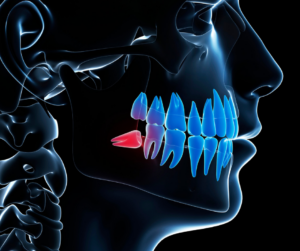 Impacted wisdom teeth can cause significant discomfort and lead to serious oral health complications if left untreated. When these third molars do not erupt properly, they may become trapped beneath the gum tissue or jawbone, creating pressure, infection, and damage to nearby teeth. Memphis Oral & Maxillofacial Surgery Group provides specialized impacted wisdom teeth removal in Memphis, TN, helping patients prevent complications and maintain long-term oral health.
Wisdom teeth are the final set of molars that typically develop between the ages of 17 and 25. For many individuals, the jaw does not have enough space to accommodate these additional teeth. As a result, wisdom teeth may erupt at abnormal angles or remain partially or fully trapped beneath the gums.
The oral surgeons at Memphis Oral & Maxillofacial Surgery Group have extensive experience diagnosing and treating impacted wisdom teeth using advanced surgical techniques and modern imaging technology. Their team focuses on providing safe, comfortable treatment while guiding patients through every step of the process.
What Are Impacted Wisdom Teeth?
An impacted wisdom tooth occurs when a tooth cannot erupt normally through the gum line due to lack of space or improper positioning. These teeth may remain partially or fully embedded in the gum tissue or jawbone.
According to the American Dental Association, impacted wisdom teeth can increase the risk of infection, gum disease, tooth damage, and cyst formation if not properly treated.
There are several types of wisdom tooth impactions:
Soft Tissue Impaction
In a soft tissue impaction, the wisdom tooth partially erupts through the gum but remains partially covered by gum tissue. This makes the area difficult to clean and increases the risk of infection.
Partial Bony Impaction
A partially impacted tooth has erupted somewhat but remains partially trapped in the jawbone.
Full Bony Impaction
In a full bony impaction, the wisdom tooth remains completely embedded within the jawbone and does not erupt through the gum at all.
Each type of impaction requires careful evaluation to determine the safest and most effective surgical removal approach.
Patients can explore more about oral surgery procedures offered by Memphis Oral & Maxillofacial Surgery Group here:
https://www.momsg.org/procedures/
Symptoms of Impacted Wisdom Teeth
Some patients may not initially notice symptoms associated with impacted wisdom teeth, while others experience significant discomfort. Early evaluation by an oral surgeon can help prevent complications.
Common symptoms include:
- Pain or pressure in the back of the mouth
- Swelling around the gums
- Jaw stiffness or soreness
- Difficulty opening the mouth fully
- Red or inflamed gum tissue
- Bad breath or unpleasant taste in the mouth
In some cases, impacted wisdom teeth may also contribute to infections or damage surrounding teeth.
If any of these symptoms are present, prompt evaluation by an oral surgeon is recommended.
The Impacted Wisdom Teeth Removal Process
Removing impacted wisdom teeth is a routine oral surgery procedure performed by trained specialists. The surgical process typically includes several steps designed to ensure safe and effective treatment.
Initial Consultation
The first step involves a detailed examination and imaging. Digital X-rays or 3-D scans allow the oral surgeon to evaluate the position of the impacted teeth, surrounding bone, and nearby nerves.
This diagnostic process helps determine the safest approach for removal.
Anesthesia and Sedation Options
To ensure patient comfort, several anesthesia options may be available depending on the complexity of the procedure and patient preferences. Options may include local anesthesia, IV sedation, or general anesthesia.
These techniques allow patients to remain relaxed and comfortable throughout the procedure.
Surgical Removal
During surgery, the oral surgeon carefully accesses the impacted tooth by making a small incision in the gum tissue. In some cases, a small amount of bone may be removed to expose the tooth.
If necessary, the tooth may be divided into smaller sections to allow for easier removal. Once the tooth is removed, the surgical area is cleaned and closed to support proper healing.
Patients can learn more about wisdom teeth procedures here:
https://www.momsg.org/procedures/wisdom-teeth/
Recovery After Impacted Wisdom Teeth Removal
Recovery after impacted wisdom teeth removal is typically straightforward, although healing time may vary depending on the complexity of the procedure.
Patients may experience mild swelling, soreness, or minor bleeding during the first few days following surgery. These symptoms are generally manageable with proper post-operative care.
Typical recovery recommendations include:
- Applying cold compresses to reduce swelling
- Taking prescribed medications as directed
- Eating soft foods while the surgical site heals
- Avoiding strenuous activity during the initial healing period
- Keeping the surgical area clean according to the surgeon’s instructions
Most patients return to normal activities within a few days.
Why Early Removal Is Often Recommended
Oral surgeons frequently recommend removing impacted wisdom teeth before complications develop. Early removal offers several advantages.
Reduced Risk of Infection
Removing impacted teeth helps prevent bacterial buildup around partially erupted teeth.
Protection of Nearby Teeth
Impacted wisdom teeth can place pressure on adjacent molars, increasing the risk of decay or damage.
Easier Surgical Removal
Younger patients often experience easier procedures because the bone is softer and the roots are less developed.
Faster Healing
Recovery tends to be quicker for younger patients compared to those who delay treatment.
Proactive evaluation and treatment can prevent more serious oral health issues later in life.
Advanced Technology for Oral Surgery
Modern oral surgery technology has significantly improved the safety and accuracy of wisdom teeth removal procedures. Memphis Oral & Maxillofacial Surgery Group utilizes advanced tools and imaging systems to provide precise surgical care.
Technologies used during treatment may include:
- Digital X-rays and 3-D cone beam imaging
- Advanced surgical instruments
- Modern sedation and anesthesia techniques
- Comprehensive patient monitoring systems
These technologies allow surgeons to carefully evaluate each patient’s anatomy and perform procedures with greater precision.
Patients interested in learning more about oral and maxillofacial surgery can explore resources from the American Association of Oral and Maxillofacial Surgeons.
Why Choose Memphis Oral & Maxillofacial Surgery Group
Choosing the right oral surgeon is essential when undergoing impacted wisdom teeth removal. Memphis Oral & Maxillofacial Surgery Group has extensive experience treating patients with complex wisdom tooth impactions.
Their surgeons are highly trained specialists dedicated to delivering safe, comfortable care and excellent surgical outcomes.
Patients benefit from:
- Experienced oral and maxillofacial surgeons
- Advanced diagnostic and surgical technology
- Comfortable sedation options
- Personalized treatment planning
- Compassionate patient-focused care
The practice works closely with dentists and orthodontists throughout the Memphis area to ensure coordinated treatment and optimal patient outcomes.
Protecting Your Long-Term Oral Health
Impacted wisdom teeth can create a range of oral health issues if not properly addressed. Early evaluation and surgical removal can help prevent infections, tooth damage, and other complications.
Memphis Oral & Maxillofacial Surgery Group is committed to helping patients protect their oral health through expert surgical care and personalized treatment planning.
Schedule Your Consultation
If you are experiencing pain or symptoms related to impacted wisdom teeth, the experienced oral surgeons at Memphis Oral & Maxillofacial Surgery Group are ready to help. Their team provides advanced surgical treatment designed to remove impacted teeth safely while ensuring patient comfort throughout the process.