
Bone Grafting for Dental Implants in Germantown TN
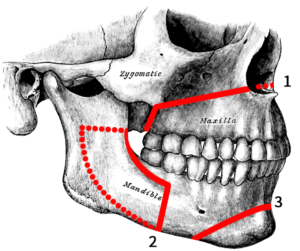 Dental implants are widely considered one of the most reliable solutions for replacing missing teeth. However, successful implant placement depends on having a strong and healthy jawbone to support the implant. When bone loss has occurred due to tooth loss, infection, or trauma, bone grafting may be necessary before dental implants can be placed. Memphis Oral & Maxillofacial Surgery Group proudly serves patients in Germantown, TN with advanced bone grafting procedures designed to rebuild jawbone structure and prepare patients for long-term implant success.
Bone grafting is a surgical procedure that restores lost bone in the jaw. By rebuilding the bone structure, oral surgeons can create a stable foundation for dental implants and help patients qualify for implant treatment that may otherwise not be possible.
The experienced oral surgeons at Memphis Oral & Maxillofacial Surgery Group use advanced imaging technology and modern surgical techniques to perform bone grafting procedures with precision and predictable outcomes. Their team focuses on personalized treatment planning to help patients achieve healthier smiles and improved oral function.
Patients can explore additional oral surgery procedures offered by the practice here:
https://www.momsg.org/procedures/
Why Bone Grafting May Be Needed
After a tooth is lost or extracted, the jawbone that once supported the tooth begins to shrink over time. This occurs because the bone no longer receives stimulation from the tooth root. Without this stimulation, the bone gradually deteriorates, making it more difficult to place dental implants.
According to the American Dental Association, dental implants require sufficient bone support to remain stable and function properly. Bone grafting helps restore the bone volume needed for successful implant placement.
Several factors may contribute to bone loss in the jaw, including:
- Long-term tooth loss
- Periodontal (gum) disease
- Dental infections
- Trauma or injury to the jaw
- Congenital bone deficiencies
Bone grafting procedures allow oral surgeons to rebuild bone structure and create the conditions necessary for dental implant treatment.
Types of Bone Grafting Procedures
Different bone grafting techniques may be used depending on the amount and location of bone loss.
Socket Preservation
Socket preservation is commonly performed immediately after a tooth extraction. During this procedure, bone graft material is placed into the empty socket to prevent the surrounding bone from collapsing.
This helps preserve the natural shape of the jaw and can simplify future dental implant placement.
Ridge Augmentation
If the jawbone has become too thin or narrow, ridge augmentation may be recommended. Bone graft material is added to rebuild the natural contour of the jawbone and increase its thickness.
This procedure helps create sufficient bone volume to support dental implants.
Sinus Lift Procedure
For implants in the upper back jaw, the sinus cavity may limit the available bone height. A sinus lift procedure raises the sinus membrane and places bone graft material beneath it to create space for implant placement.
This technique is often necessary before placing implants in the upper molar region.
Major Bone Grafting
In cases involving significant bone loss, larger grafting procedures may be required. These procedures may involve using bone from another area of the patient’s body or specialized grafting materials designed to stimulate new bone growth.
Major grafting procedures help rebuild the jaw structure and restore both function and facial support.
The Bone Grafting Process
Bone grafting procedures are carefully planned to ensure successful healing and long-term results.
Consultation and Evaluation
The process begins with a comprehensive consultation with an oral surgeon. Digital X-rays or cone beam 3-D imaging may be used to evaluate bone density, gum health, and implant placement options.
This evaluation helps determine the most appropriate grafting technique for each patient.
Graft Placement Surgery
During the procedure, bone graft material is placed into the area where additional bone is needed. The graft may come from the patient’s own bone, a donor source, or specialized synthetic materials designed to support bone regeneration.
The graft acts as a scaffold that encourages new bone growth.
Healing and Bone Regeneration
After surgery, the body gradually replaces the graft material with new natural bone. This healing process typically takes several months depending on the size and location of the graft.
Once the bone has regenerated and strengthened, dental implants can usually be placed successfully.
Patients interested in implant procedures can learn more here:
https://www.momsg.org/procedures/dental-implants/
Benefits of Bone Grafting for Dental Implants
Bone grafting offers several important benefits for patients who want to restore missing teeth with dental implants.
Allows Implant Placement
Patients who previously lacked sufficient bone may become candidates for dental implants after successful grafting.
Improves Implant Stability
A stronger jawbone provides better support for dental implants, increasing the likelihood of long-term success.
Restores Jaw Structure
Bone grafting helps rebuild the natural contours of the jaw, supporting facial structure and oral function.
Prevents Further Bone Loss
Rebuilding bone can help stabilize the jaw and prevent additional deterioration over time.
These advantages allow more patients to benefit from modern dental implant treatment.
Advanced Technology for Bone Grafting Procedures
Modern technology has greatly improved the safety and precision of bone grafting procedures. Memphis Oral & Maxillofacial Surgery Group utilizes advanced diagnostic tools and surgical technology to enhance patient care.
These technologies may include:
- Cone beam 3-D imaging for detailed diagnostics
- Digital treatment planning systems
- Modern bone grafting materials
- Advanced anesthesia and sedation techniques
These tools allow surgeons to evaluate each patient’s anatomy and perform procedures with exceptional accuracy.
Patients interested in learning more about oral surgery as a specialty can explore resources from the American Association of Oral and Maxillofacial Surgeons.
Why Choose Memphis Oral & Maxillofacial Surgery Group
Memphis Oral & Maxillofacial Surgery Group is known throughout the Memphis area for providing high-quality oral surgery care. Their surgeons combine extensive training with modern technology to deliver safe and effective treatment.
Patients from Germantown choose the practice because of its:
- Highly trained oral and maxillofacial surgeons
- Advanced diagnostic imaging technology
- Comprehensive dental implant treatment options
- Comfortable anesthesia and sedation services
- Patient-centered care and communication
The surgical team works closely with general dentists and specialists to coordinate treatment and ensure the best possible outcomes.
Restoring the Foundation for a Healthy Smile
Bone grafting plays an essential role in restoring the jawbone and creating a stable foundation for dental implants. By rebuilding bone structure, patients who have experienced bone loss can still benefit from the durability and function of implant-supported teeth.
Memphis Oral & Maxillofacial Surgery Group is dedicated to helping patients in Germantown restore healthy smiles through advanced surgical care and modern implant technology.
Schedule Your Consultation
If you have been told that you may not have enough bone for dental implants, bone grafting may provide the solution. Memphis Oral & Maxillofacial Surgery Group offers advanced bone grafting procedures designed to rebuild jawbone structure and prepare patients for successful implant treatment.