
Tooth Extraction in Bartlett TN
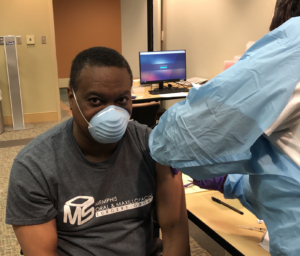 Tooth extraction is sometimes necessary to protect long-term oral health when a tooth is severely damaged, infected, or causing complications for surrounding teeth. While dentists always aim to preserve natural teeth whenever possible, removing a problematic tooth can prevent pain, infection, and further dental problems. Memphis Oral & Maxillofacial Surgery Group proudly serves patients in Bartlett, TN with expert tooth extraction procedures performed by highly trained oral surgeons.
Oral and maxillofacial surgeons specialize in diagnosing and treating complex conditions involving the teeth, jaw, and facial structures. Their training allows them to perform both routine and surgical extractions using advanced techniques designed to maximize patient comfort and promote successful healing.
Memphis Oral & Maxillofacial Surgery Group provides comprehensive oral surgery services with a strong focus on patient safety, modern technology, and personalized treatment planning.
Patients can learn more about available oral surgery procedures here:
https://www.momsg.org/procedures/
When Tooth Extraction Is Necessary
Although many dental problems can be treated with restorative procedures such as fillings, crowns, or root canal therapy, there are situations in which removing a tooth becomes the best solution.
Common reasons a tooth extraction may be recommended include:
- Severe tooth decay that cannot be repaired
- Advanced periodontal (gum) disease
- Dental infections that cannot be treated effectively
- Broken or fractured teeth below the gum line
- Tooth crowding affecting orthodontic treatment
- Preparation for dental implants or other restorative procedures
According to the American Dental Association, removing a severely damaged or infected tooth can help prevent infection from spreading and protect the surrounding teeth and bone.
An oral surgeon will carefully evaluate the patient’s condition and determine whether extraction is the most appropriate treatment option.
Types of Tooth Extractions
Tooth extraction procedures vary depending on the condition of the tooth and its location within the mouth.
Simple Tooth Extraction
A simple extraction is performed when the tooth is fully visible above the gum line and can be removed using specialized dental instruments. This procedure is typically quick and straightforward.
Surgical Tooth Extraction
A surgical extraction may be required if the tooth is broken below the gum line, impacted, or difficult to access. In these cases, the oral surgeon may make a small incision in the gum tissue to reach the tooth.
Sometimes the tooth is divided into smaller pieces to allow for easier removal while minimizing trauma to surrounding tissues.
Surgical extractions are commonly performed for impacted teeth or teeth with complex root structures.
The Tooth Extraction Process
Tooth extraction procedures are carefully planned to ensure both safety and patient comfort.
Consultation and Evaluation
The first step is a comprehensive examination performed by an oral surgeon. Digital X-rays or cone beam 3-D imaging may be used to evaluate the tooth’s root structure and surrounding bone.
This diagnostic information helps determine the most effective approach for removal.
Anesthesia and Sedation Options
Patient comfort is an important priority during oral surgery. Several anesthesia options may be available, including local anesthesia, IV sedation, or general anesthesia depending on the complexity of the procedure and the patient’s needs.
These options help ensure a comfortable and stress-free experience.
Tooth Removal
During the procedure, the oral surgeon carefully loosens and removes the tooth using specialized instruments. If necessary, the tooth may be sectioned into smaller pieces to allow for easier removal.
Once the tooth is removed, the surgical site is cleaned and prepared for healing.
Recovery After Tooth Extraction
Most patients recover from tooth extraction within a few days, although healing time may vary depending on the complexity of the procedure.
During the first few days following surgery, patients may experience mild swelling or discomfort. These symptoms typically improve quickly with proper care.
Post-operative instructions may include:
- Applying ice packs to reduce swelling
- Taking prescribed medications as directed
- Eating soft foods during the initial healing period
- Avoiding smoking or drinking through straws
- Keeping the surgical site clean according to the surgeon’s instructions
Following these instructions helps reduce the risk of complications and promotes proper healing.
Replacing a Tooth After Extraction
After a tooth is removed, replacing the missing tooth is often recommended to maintain proper bite alignment and prevent surrounding teeth from shifting.
Dental implants are widely considered one of the most effective solutions for tooth replacement. Implants function as artificial tooth roots that support crowns, bridges, or dentures.
Memphis Oral & Maxillofacial Surgery Group frequently works with restorative dentists to help patients replace missing teeth with dental implants when appropriate.
Patients interested in learning more about implant treatment options can visit:
https://www.momsg.org/procedures/dental-implants/
Advanced Technology for Oral Surgery
Modern technology has greatly improved the precision and safety of tooth extraction procedures. Memphis Oral & Maxillofacial Surgery Group utilizes advanced diagnostic and surgical tools that help deliver predictable results.
These technologies may include:
- Digital X-rays and cone beam 3-D imaging
- Advanced surgical instruments
- Modern anesthesia and sedation techniques
- Comprehensive patient monitoring systems
These tools allow surgeons to evaluate complex dental structures and perform extractions with greater accuracy.
Patients interested in learning more about oral and maxillofacial surgery can explore resources from the American Association of Oral and Maxillofacial Surgeons.
Why Choose Memphis Oral & Maxillofacial Surgery Group
Memphis Oral & Maxillofacial Surgery Group has earned a reputation for providing expert oral surgery care for patients throughout the Memphis area, including Bartlett. Their surgeons combine extensive training with advanced technology to provide safe and effective treatment.
Patients benefit from:
- Experienced oral and maxillofacial surgeons
- Advanced diagnostic imaging technology
- Comfortable anesthesia and sedation options
- Personalized treatment planning
- Compassionate patient-centered care
The practice works closely with general dentists and other dental specialists to ensure coordinated care and optimal results.
Protecting Your Oral Health
Although tooth extraction is sometimes necessary, it plays an important role in protecting long-term oral health. Removing a damaged or infected tooth can relieve pain, prevent infection, and allow patients to restore their smiles with modern dental treatments.
Memphis Oral & Maxilloffacial Surgery Group is committed to helping patients in Bartlett maintain healthy smiles through advanced surgical care and personalized treatment.
Schedule Your Consultation
If you are experiencing tooth pain, infection, or have been advised that a tooth may need to be removed, Memphis Oral & Maxillofacial Surgery Group is ready to help. Their experienced surgeons provide expert evaluation and comfortable tooth extraction procedures.